
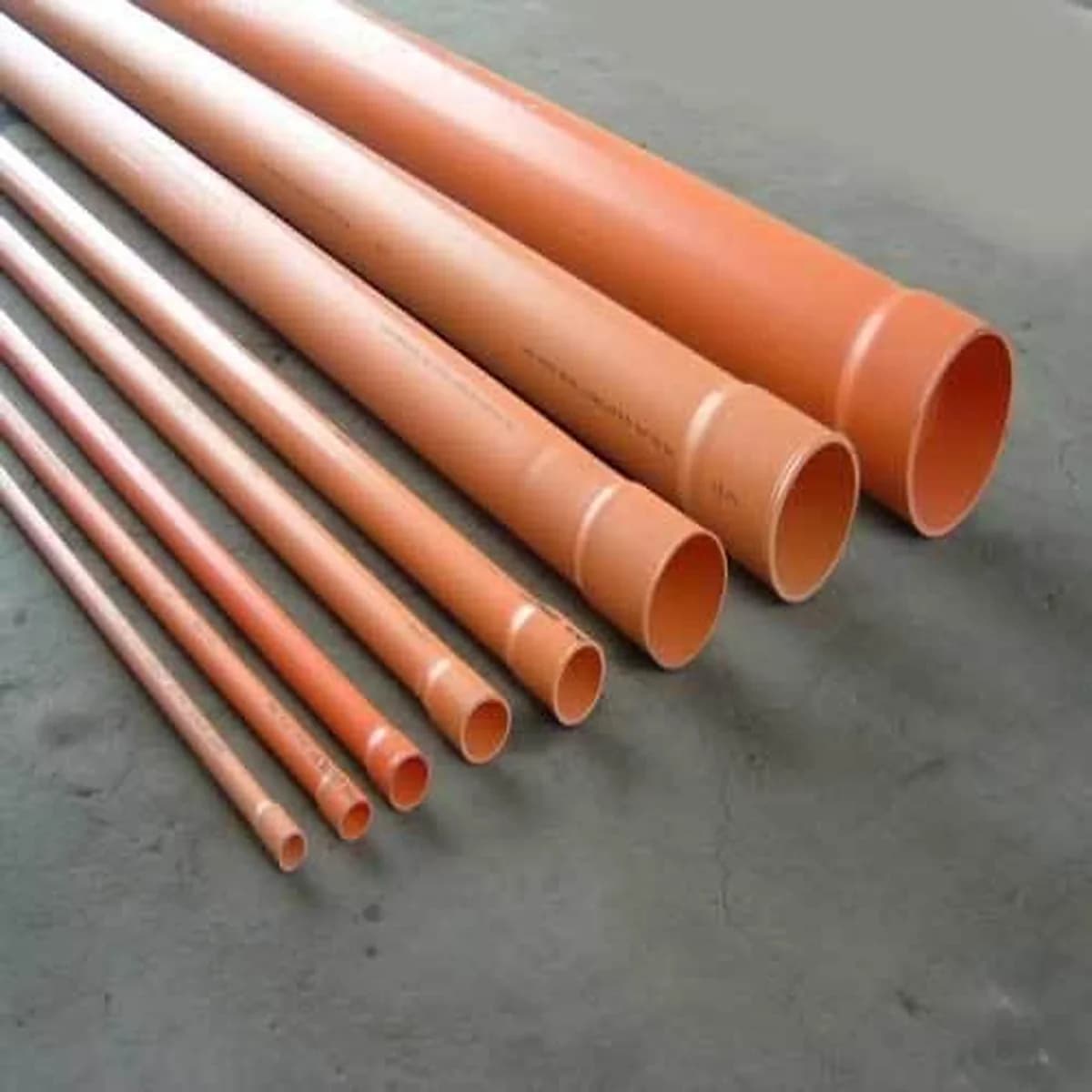
CONDUIT
A conduit is a protective tube or channel used to route and safeguard electrical wiring and cables in residential, commercial, and industrial installations. It shields wires from mechanical damage, moisture, dust, and environmental hazards while also helping in organized cable management. Conduits can be rigid or flexible and are commonly made from materials like PVC, steel, or aluminum, depending on the application and required durability.
Specifications
For: SWC 35 H MOTOR- Diameter
- 10mm
- Application
- Indoor / Outdoor / Underground
- Article no
- 0716841486896
Safety & Compliance Benefits
- Meets international electrical safety standards
- Insulation properties prevent short circuits
- Reduces risk of electrical fires in buildings
- Supports proper grounding and bonding systems
- Facilitates easier inspection and maintenance
Material & Construction Quality
- High-grade materials resist corrosion and physical wear
- Rigid types provide superior structural support
- Flexible types allow routing around complex obstacles
- Available in rigid–flexible configurations
- Fire-retardant variants ensure safety compliance
Installation Applications
- Ideal for residential and commercial electrical setups
- Designed for reliable performance in indoor environments
- Rated for outdoor exposure and weather conditions
- Suitable for Indoor / Outdoor / Underground applications
- Protects wiring in harsh industrial settings
- Supports diverse installation requirements
Product Overview & Identification
- Protective tube for routing electrical wiring and cables
- Shields wires from mechanical damage and environmental hazards
- Prevents moisture and dust ingress for long-term safety
- Facilitates organized cable management in installations
- Available in rigid or flexible options for various needs
- Constructed from PVC, steel, or aluminum materials
- Product Article Number: 0716841486896
- Includes 10mm diameter option alongside other sizes
More questions buyers ask
What is an electrical conduit used for?
An electrical conduit is a protective tube used to route and safeguard electrical wiring from physical damage, moisture, and corrosion. It is essential for ensuring safety and organizing cables in residential, commercial, and industrial buildings.
What materials are Schifler conduits made from?
Schifler conduits are available in a variety of materials to suit different needs, including high-grade PVC (Polyvinyl Chloride), galvanized steel, and aluminum. Each material offers different levels of durability, flexibility, and corrosion resistance.
Are these conduits suitable for outdoor use?
Yes, we offer specific variants of Schifler conduits that are rated for outdoor and underground applications. These are designed to withstand moisture, UV exposure, and environmental hazards.
What is the standard length of a conduit pipe?
The standard length for rigid conduit pipes is typically 10 feet (or 3 meters). However, we may offer other lengths, and flexible conduits can be cut to custom lengths as needed.
Do you offer flexible conduits?
Yes, Schifler provides a range of flexible conduits that are ideal for installations requiring routing around obstacles or in tight spaces where rigid conduits are not practical.
Are Schifler conduits fire-retardant?
Safety is a priority. Many of our conduits, especially PVC variants, are made with fire-retardant properties to help prevent the spread of fire, meeting relevant safety standards.
How do I choose the right conduit diameter?
The correct diameter depends on the number and size of the wires you need to run through it. It's important to adhere to electrical codes, which specify a maximum fill ratio (typically 40%) to prevent overheating.
What are the benefits of using PVC conduit vs. steel conduit?
PVC conduits are lightweight, corrosion-resistant, and generally more affordable, making them ideal for residential and wet environments. Steel conduits offer superior physical protection and are required in many commercial and industrial applications for enhanced safety.
Can I get a GST invoice for my purchase?
Absolutely. We provide a GST invoice for every purchase, allowing you to claim input tax credit for your business.
Do you provide pan-India delivery?
Yes, we deliver Schifler conduits to locations all across India, ensuring you receive your products right at your project site or business address.
What is the warranty on Schifler conduits?
All our Schifler products come with a standard manufacturer's warranty. The specific terms and duration may vary by product type, so please check the product page for details.
Who should choose the Schifler 10mm Conduit (SWC 35 H MOTOR)?
The 10mm diameter conduit is best suited for applications involving a small number of low-gauge wires, such as for single light fixtures, alarm systems, or data cables. It's a great choice for residential and light commercial projects where space is limited and minimal wiring is needed.
How does the 10mm diameter conduit compare to other sizes for residential wiring?
While 10mm is useful for specific, small-scale runs, common residential wiring for outlets and switches typically uses larger diameters like 20mm or 25mm to accommodate more wires and allow for future expansion. The 10mm size is a specialized, not a general-purpose, solution.
Which conduit type is best for industrial applications?
For most industrial settings, rigid galvanized steel or other metal conduits are recommended due to their high strength, impact resistance, and ability to provide grounding. They offer the best protection against harsh conditions and physical damage.
More like this
Full description
A conduit is a protective tube or channel used to route and safeguard electrical wiring and cables in residential, commercial, and industrial installations. It shields wires from mechanical damage, moisture, dust, and environmental hazards while also helping in organized cable management. Conduits can be rigid or flexible and are commonly made from materials like PVC, steel, or aluminum, depending on the application and required durability.